A look at how and why it works.
Introduction
As with all apps, there are many different parts that come together to make SpellMe. However, there are two main parts that are specially designed and focus on improving spelling capability for all students. The first is the main spelling UI, which I’ll cover in another post. The second, and focus of this piece, is the SpellMe Word list section. The word lists are specially curated to help students understand the mechanics of spelling words in the English language, and are based on the science of structured literacy.
Phonics
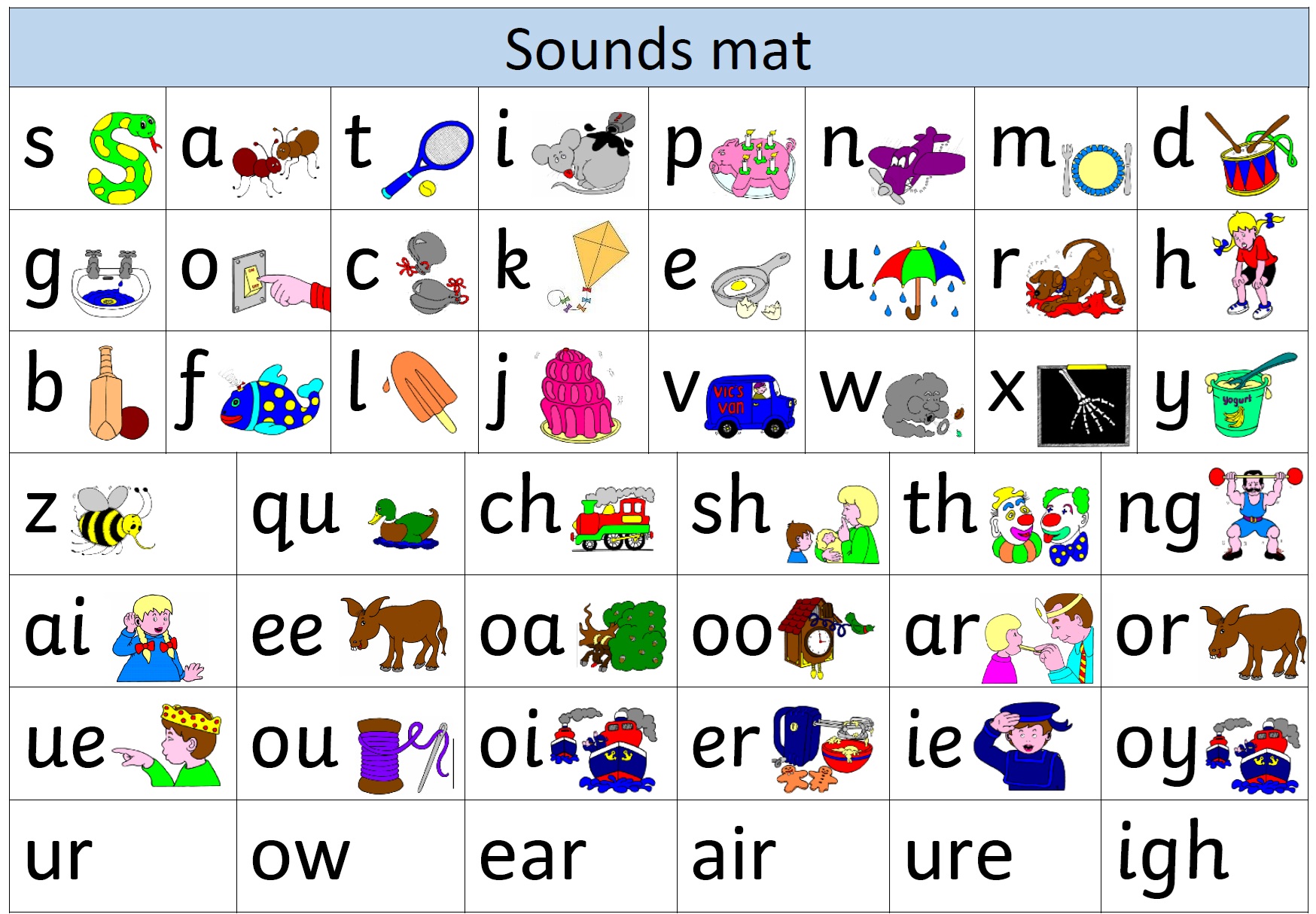
Let’s introduce the science of structured literacy by talking about Phonics first. This is probably the more familiar term for parents, home schoolers and teachers. It teaches how letters (graphemes) map to sounds (phonemes) and how those sounds blend into words. It’s a powerful method because it gives children the tools to decode unfamiliar words.
Structured Literacy and Structured Spelling
But phonics alone isn’t enough. Reading and spelling are more than just matching sounds to letters. Structured Literacy goes further. It covers six areas: phonology, sound–symbol associations, syllables, morphology, syntax, and semantics. Structured Spelling mirrors this, focusing on spelling rules, orthographic patterns, and how word origins shape English. Together, they form what’s known as the science of reading and spelling. This approach is systematic, explicit, and cumulative. Each new concept builds on the last.
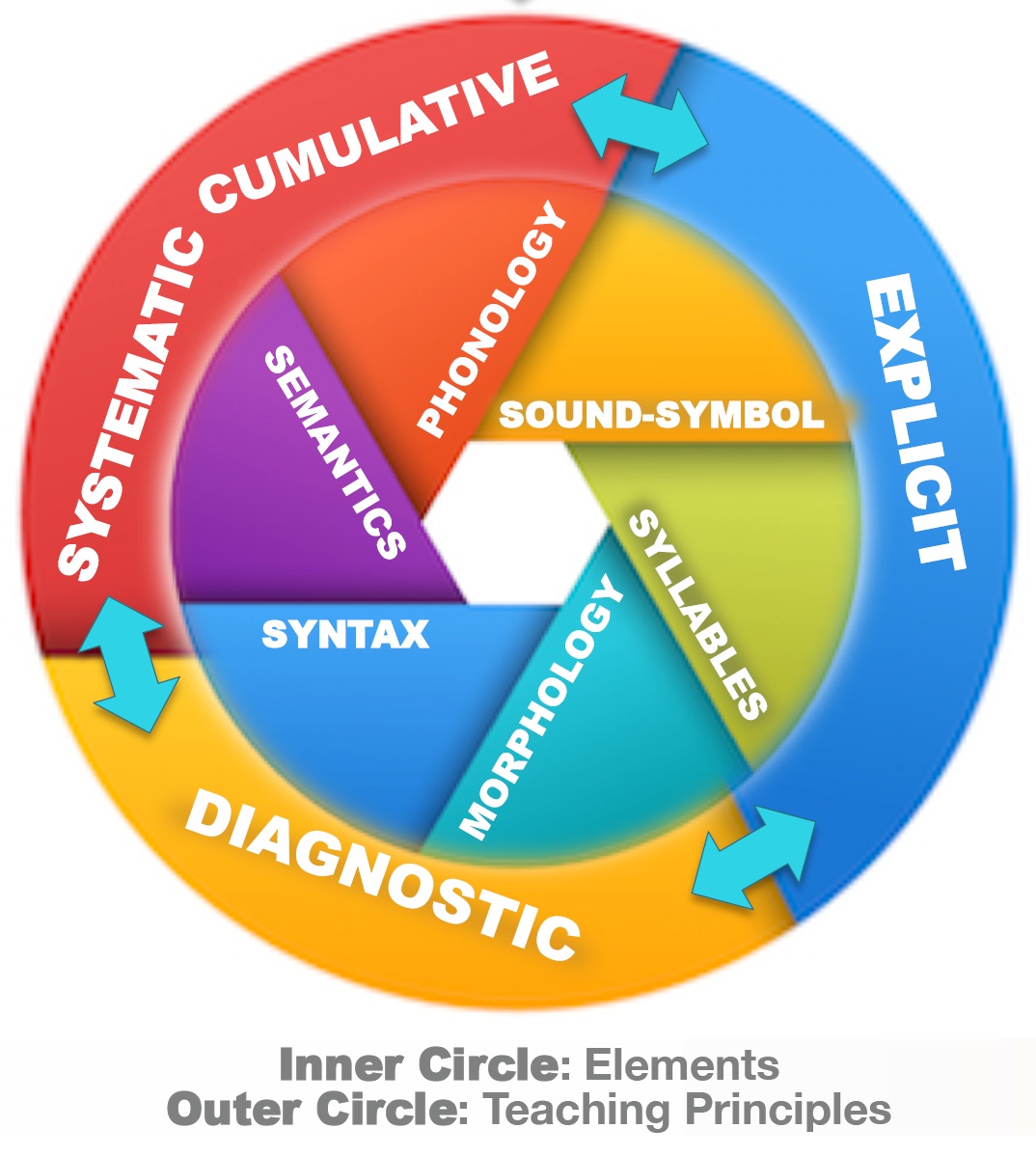
Click for link to IDA website explanation.
Alternatives
Other methods have been popular but less effective. Whole language emphasises immersion and meaning, and is fine for a good number of students. However, for students that are not neurotypical, this approach has not been successful. Balanced literacy mixes approaches but often fails to provide the depth of phonics children need. Whole-word memorisation treats words as visual shapes, which doesn’t scale when vocabulary grows. The evidence, which we will talk about below, consistently shows that when we consider all students, neurotypical and neurodivergent, the structured approach yields better results.
Evidence for Structured Approaches
Let’s look at the history and evidence of structured literacy. This approach traces back to research done by Orton and Gillingham in the 1920s. Their work laid the foundation for multisensory, rule-based teaching that later became structured literacy. Decades of research confirm its effectiveness. Meta-analyses and national reviews show explicit, systematic instruction benefits all learners - not only those with dyslexia, but also typical readers.
-
Explicit spelling instruction boosts reading and writing - proven across 53 studies which included over 6000 K-12 students.
Source: Graham & Santangelo, 2014 -
Systematic phonics works best - confirmed by a US government review of 100,000+ studies.
Source: National Reading Panel, 2000 -
Systematic Phonics helps all learners - UK review shows benefits for both typical and struggling readers.
Source: Torgerson, Brooks & Hall, 2006 -
Structured Literacy benefits everyone - described as “essential for some, helpful for all, and harmful to none.”
Sources: LD Expert Blog, 2025; Savvas Insights, 2024; Reading Rockets, 2023 -
Nearly a century of research - Orton and Gillingham’s multisensory, rule-based approach still underpins modern practice.
Sources: Orton, 1925; Gillingham & Stillman, 1936
Using it in SpellMe
SpellMe’s word lists are built around the same principles. If you browse through the list, you will see headings like: short vowels, long vowels, digraphs, silent e patterns, suffixes, plurals, irregular words, and morphology. They’re sequenced to mirror the logical progressions found in structured approaches.
Having the spelling instruction through SpellMe run at the same time as whatever structured-literacy-based reading strategy you have will ensure parity and a more logical learning experience for students. So if a student is learning to read words with long i sounds, they can choose that word list for their level and spell long i sound words at the same time, to reinforce that learning.
This approach is not just for struggling students. It makes the whole learning experience meaningful and pleasant for all students.